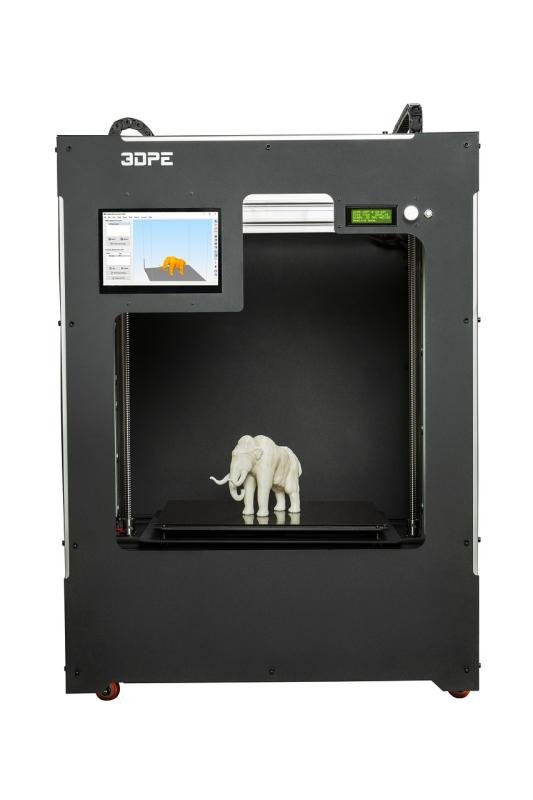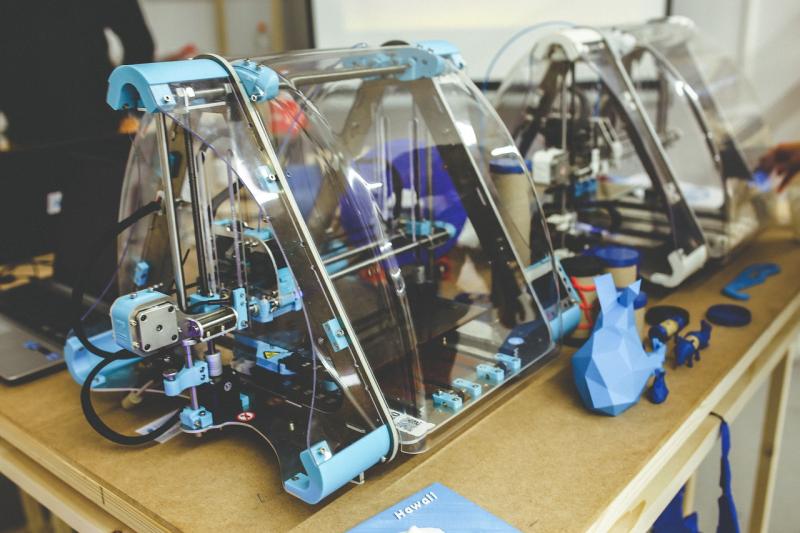
So, you want to dive into the world of 3D printing? Awesome choice! Getting started can feel a bit overwhelming, but I'm here to break it down for you. First things first, you'll need a 3D printer. There are tons of options out there, from budget-friendly models to those with fancy features. If you’re just starting out, something like a Creality Ender 3 or Anycubic i3 Mega is a solid pick. They’re affordable, user-friendly, and have great online communities for support.
Next up is filament. This is the material you'll use to print your objects. PLA is the go-to for beginners—it’s easy to print with and comes in a rainbow of colors. Plus, it’s biodegradable! As you get comfortable, you can experiment with other materials like ABS or PETG, but starting with PLA helps you get the hang of things without too much fuss.
Now let’s talk design. If you’re not a designer, no worries! There are tons of websites where you can download pre-made 3D models for free. Platforms like Thingiverse or MyMiniFactory are treasure troves of designs. Simply pick something you like, download the file, and you’re almost ready to print.
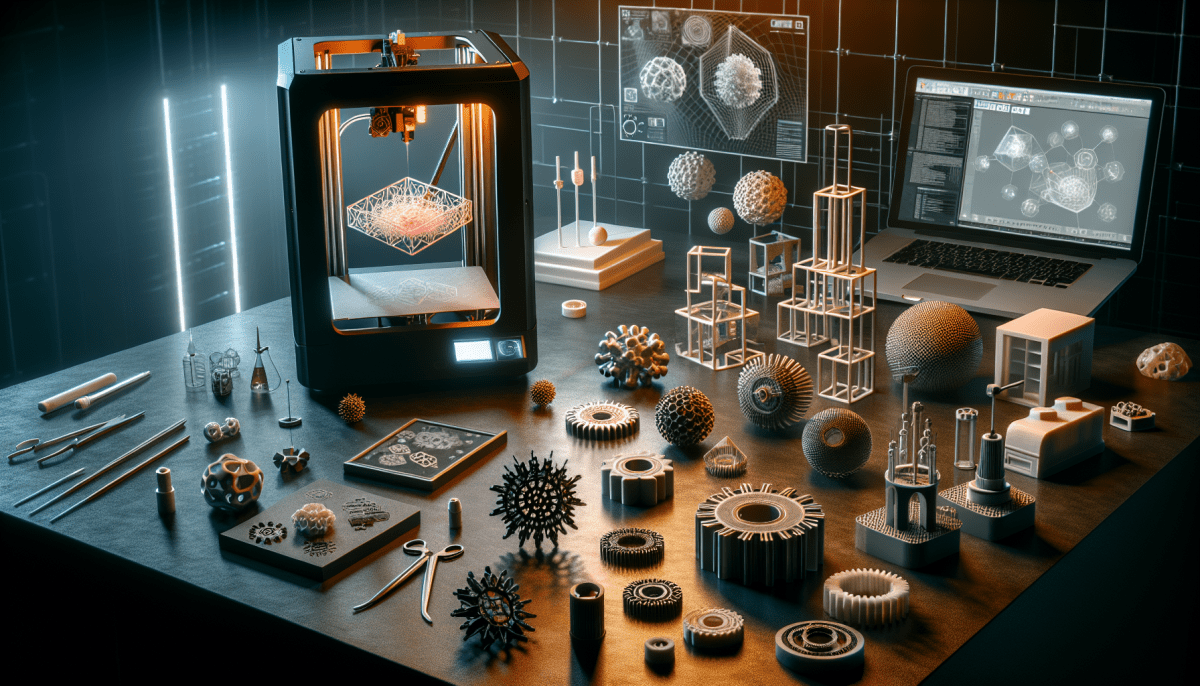
Before you hit that print button, you’ll need slicing software. This converts the 3D model into a format your printer understands. Programs like Cura or PrusaSlicer are popular and fairly intuitive. Just load your model, adjust the settings if needed (don’t worry, the default settings work great for most!), and save it as a G-code file to transfer to your printer.
Finally, keep your printer’s manual handy! It has all the info you need for setup and troubleshooting. Don't get discouraged by any hiccups; that's all part of the learning curve. You'll soon be printing cool stuff and impressing your friends with your new skills!
Choosing Your First 3D Printer
First, think about what you want to create. Are you interested in printing small figures, toys, or maybe even parts for your projects? Knowing what you plan to make will help you narrow down your options. For beginners, printers like the Creality Ender 3 are popular because they cover a lot of ground without breaking the bank. They’re known for decent print quality and have a solid community for support.
Next, consider the type of printing technology. FDM (Fused Deposition Modeling) printers are a great starting point. They’re affordable, easy to use, and perfect for most beginner projects. You’ll find options with heated beds and auto-leveling features that make setup a breeze. On the other hand, if you’re interested in something a little fancier, resin printers provide stunning detail but can be a bit more complex and messy.
Don’t forget to check the build volume. This tells you how big your prints can be. If you plan to print larger items, look for printers with a spacious build area. Also, think about the material you want to use. PLA is a great first filament since it’s easy to work with and has a low odor. As you grow more comfortable, you can experiment with materials like ABS or PETG.
Finally, read some reviews and watch setup videos from other users. Seeing how others have set up their machines can save you time and headaches. With a bit of research and planning, you’ll find the right 3D printer to kickstart your creative journey! Happy printing!
Understanding Filaments and Materials
Let’s start with the most common filament: PLA. This is a popular choice for beginners. PLA is plant-based, making it eco-friendly. It's easy to work with, sticks well to the printing surface, and gives you great results. If you're printing something for the first time, PLA is your best buddy.
If you’re looking for something a bit tougher, you might want to try ABS. This material is known for its durability and resistance to heat. It’s great for items that need to withstand some wear and tear. Just keep in mind, it requires a heated bed for best results and can have a strong odor during printing.
Then there’s PETG, which is like the best of both worlds. It combines the ease of use of PLA with the toughness of ABS. PETG prints smoothly and isn’t as picky about bed adhesion. Plus, it’s water-resistant, making it a solid choice for functional prints.
Finally, there are specialty filaments like TPU for flexible designs or nylon for even more strength. These materials can open up a world of creative possibilities. As you gain confidence, experimenting with different filaments is a great way to find what works best for your projects!
Tips for Successful 3D Prints
Getting started with 3D printing can be super exciting, but it can also be a bit tricky. Here are some handy tips to help you nail those prints and avoid common mistakes.
First off, always check your printer settings. Make sure you’re using the right temperature for your filament. If it’s too hot, the print might be a gooey mess, but too cold can lead to weak layers. A good rule of thumb is to stick with the manufacturer’s recommended settings until you get the hang of things.
Next, bed adhesion is key. Whether you’re using a glass bed, tape, or any other surface, make sure it’s clean and prepped. You can also try a bit of glue stick or hairspray for a stronger hold, especially for those tricky materials. Nothing’s worse than watching a print lift while it’s just getting started!
Also, don’t forget about slicing. This is where you prepare your 3D model for printing. Pay attention to layer height, infill density, and support structures. Starting with default settings can be a safe bet, but as you gain confidence, tweak these options to fit your project.
Finally, be patient! The first few prints might not be perfect, and that’s totally okay. Take notes on what works and what doesn’t, and don’t hesitate to ask for advice from the online community. Everyone was a beginner once, and sharing tips can help you level up your skills.